


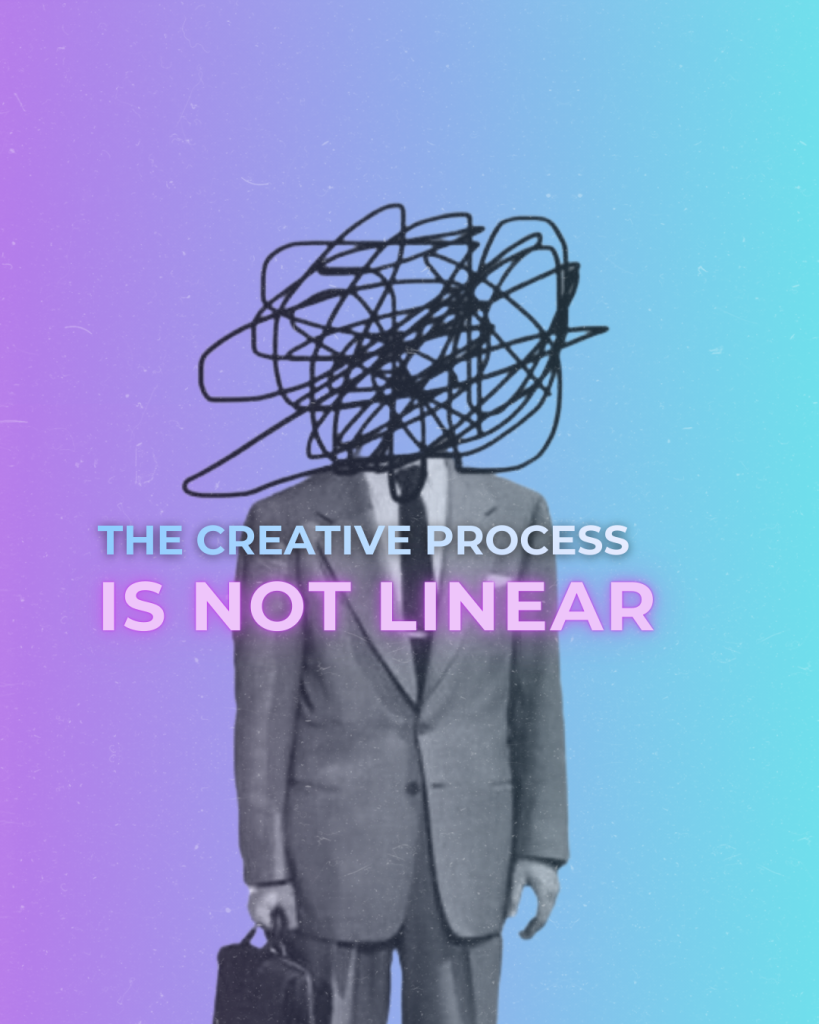
The creative process is often romanticized. We talk about inspiration, ideas, and moments of enlightenment. Less often do we talk about what comes afterward — the tension of an idea trying to survive in reality. People are used to working in systems with a mostly linear outcome:
from task to execution, with little backtracking and even less wandering in place. Creativity, however, does not work that way. It has its own structure, but that structure is often tangled, layered, and non-linear. The creative process does exist — but it is not a straight line.
Stages of the Creative Process
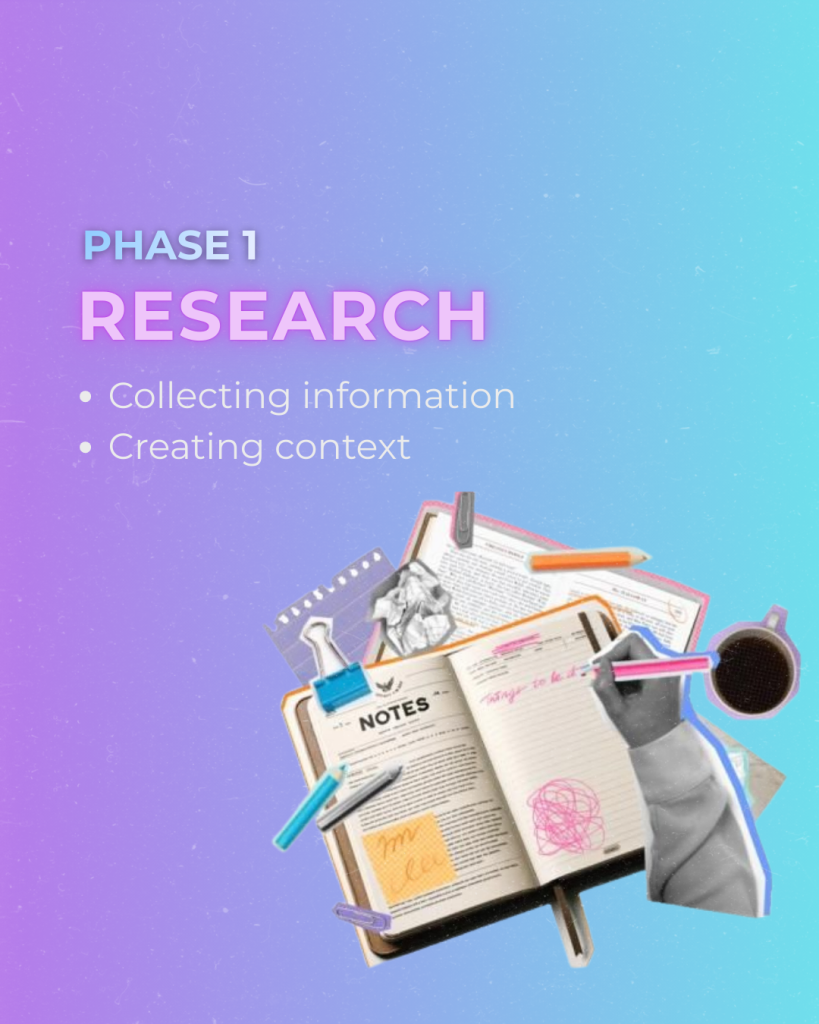
- Research – the conscious gathering of information; understanding the context, goals, and impulses
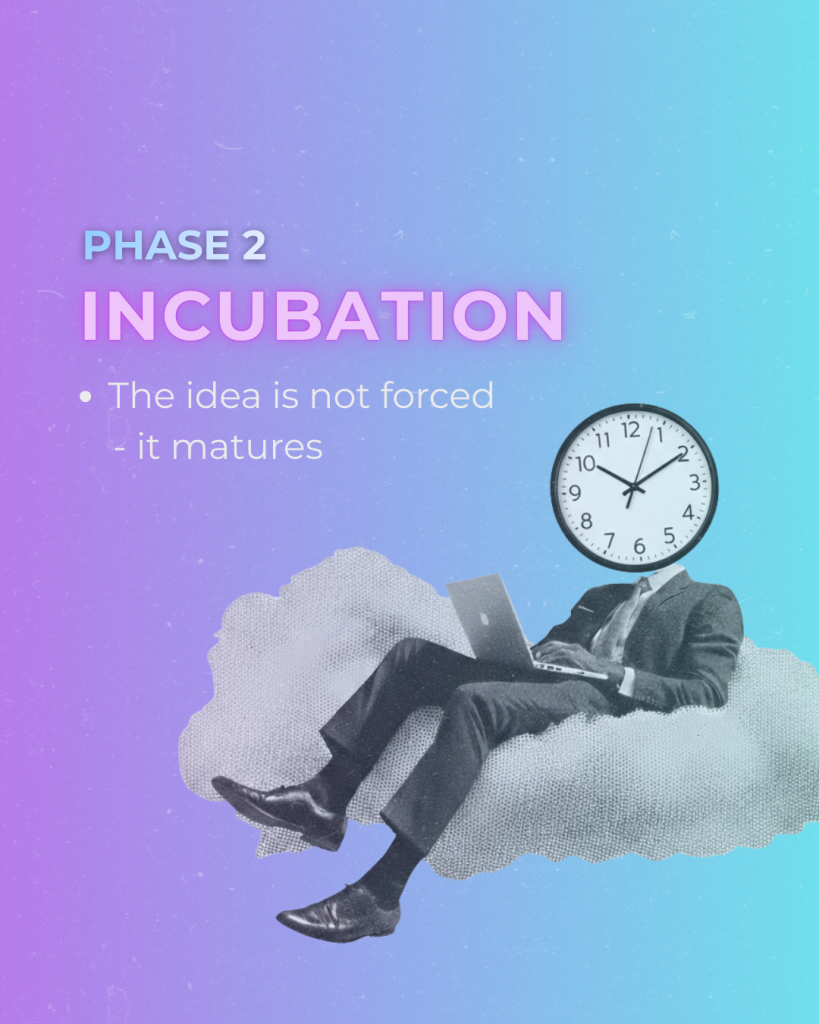
- Incubation – a period in which the idea is not forced, but allowed to “rest,” mature, and find its place and meaning
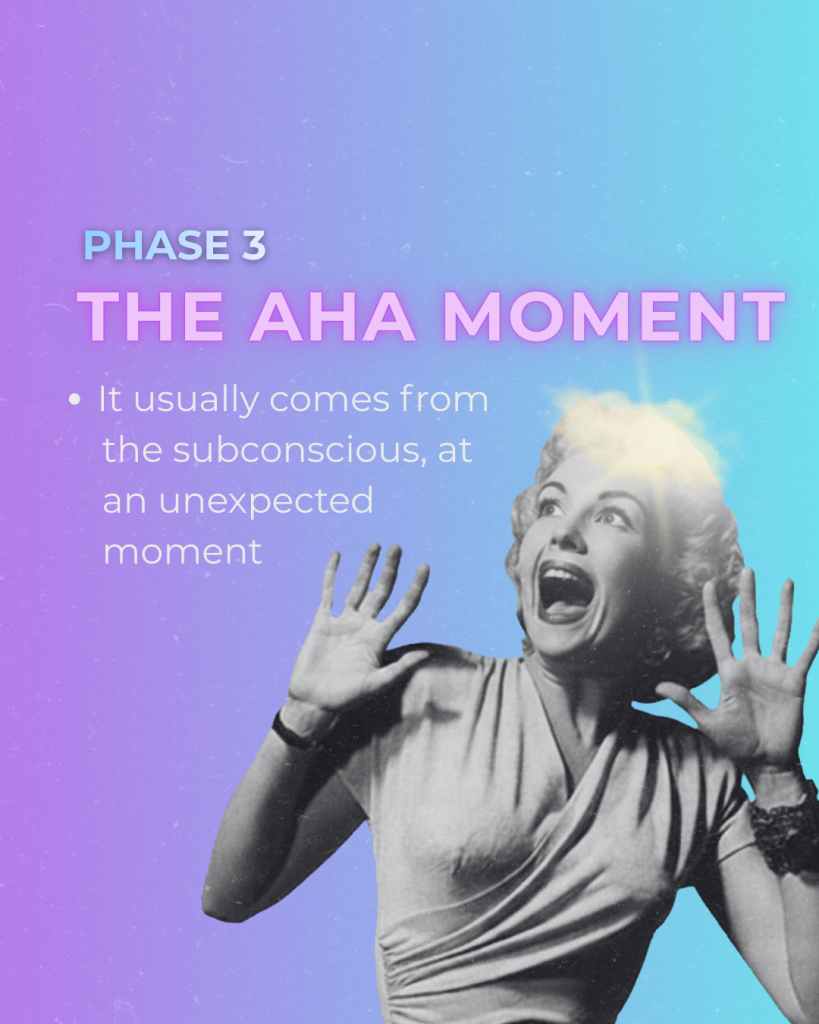
- Aha moment – a moment of insight emerging from the subconscious, often arriving unexpectedly
- Testing – evaluating the idea against goals, the audience, and the existing system
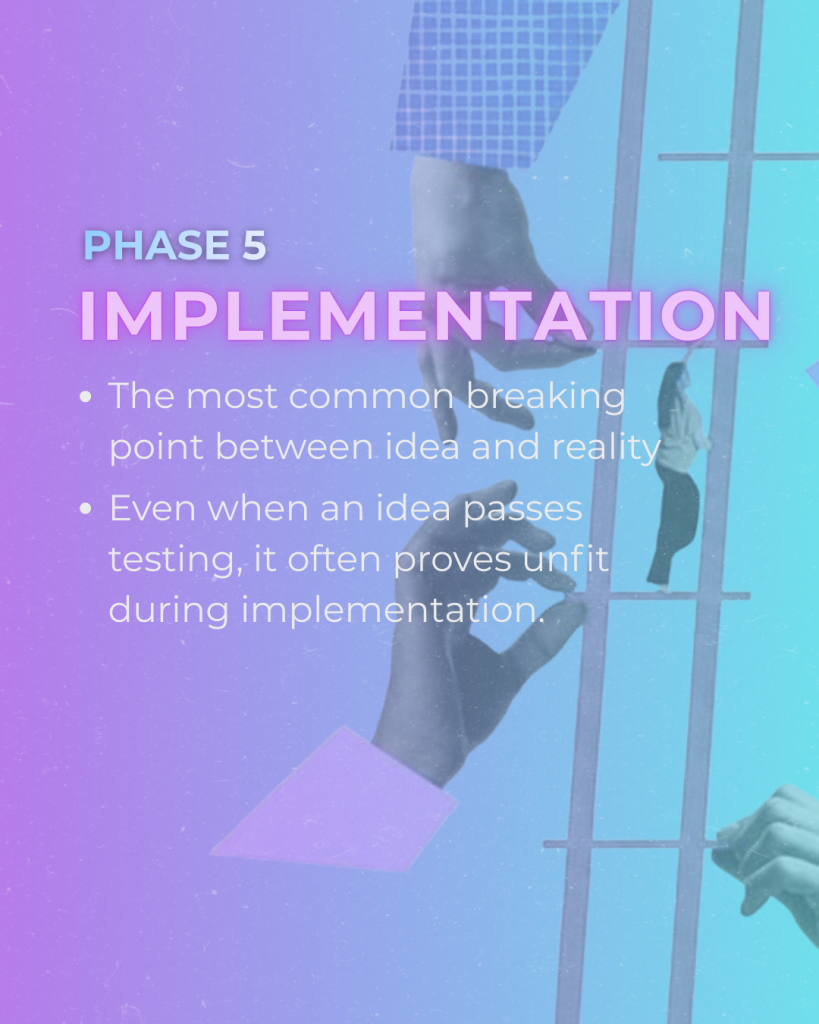
- Implementation – confronting the idea with the real world and bringing it to life
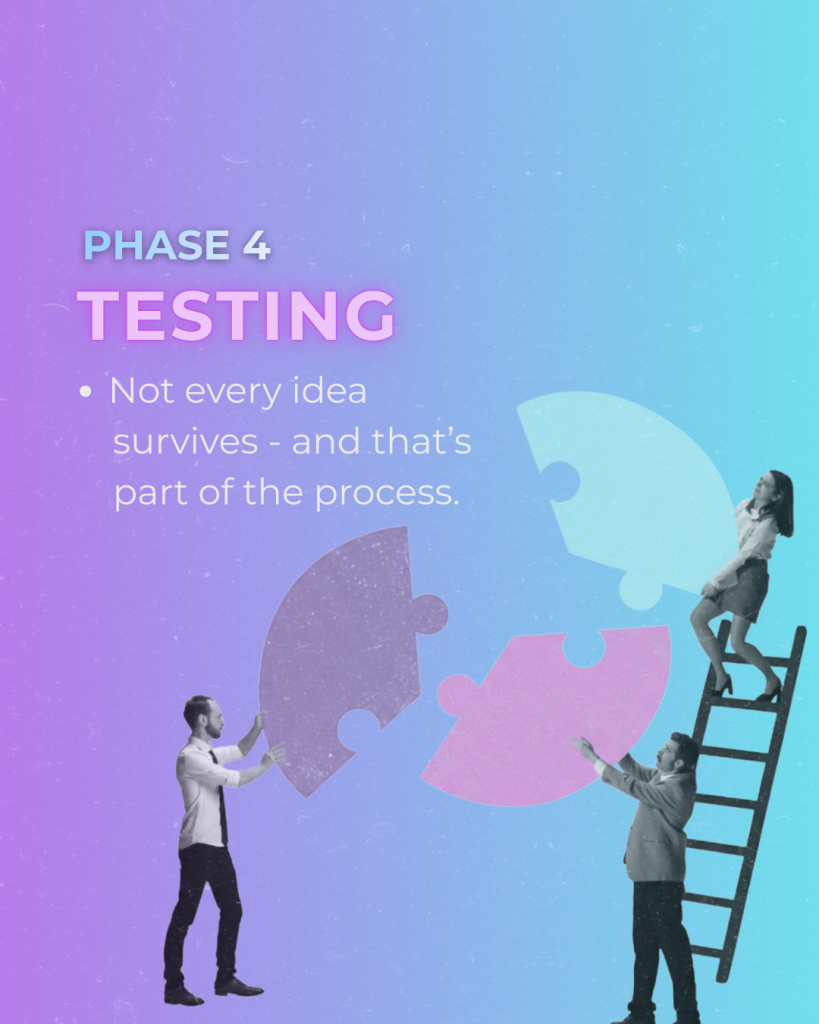
On paper — clear.
In practice — non-linear and often frustrating.
Where does the problem arise?
The problem doesn’t occur because creatives fail to understand the process.
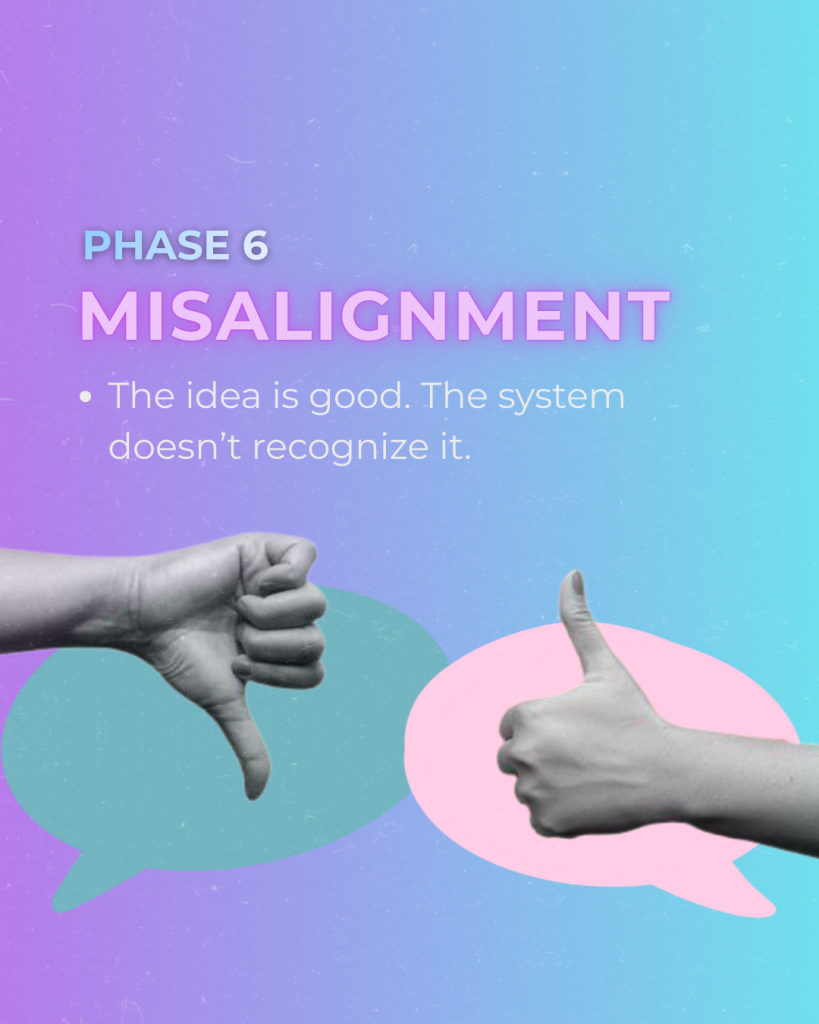
On the contrary — it arises when the process has been respected, but the result doesn’t get the green light.
An idea can be: good, but not feasible; innovative, but misunderstood; functional, yet simply “ahead of its time.”
Sometimes an idea passes testing, only to fail at the implementation stage — where it collides with budgets, deadlines, systems, fears, or a lack of understanding.
And that’s when a moment occurs that is rarely named: the moment when motivation declines because the system fails to recognize the value of the process itself.
Non-linearity as Reality
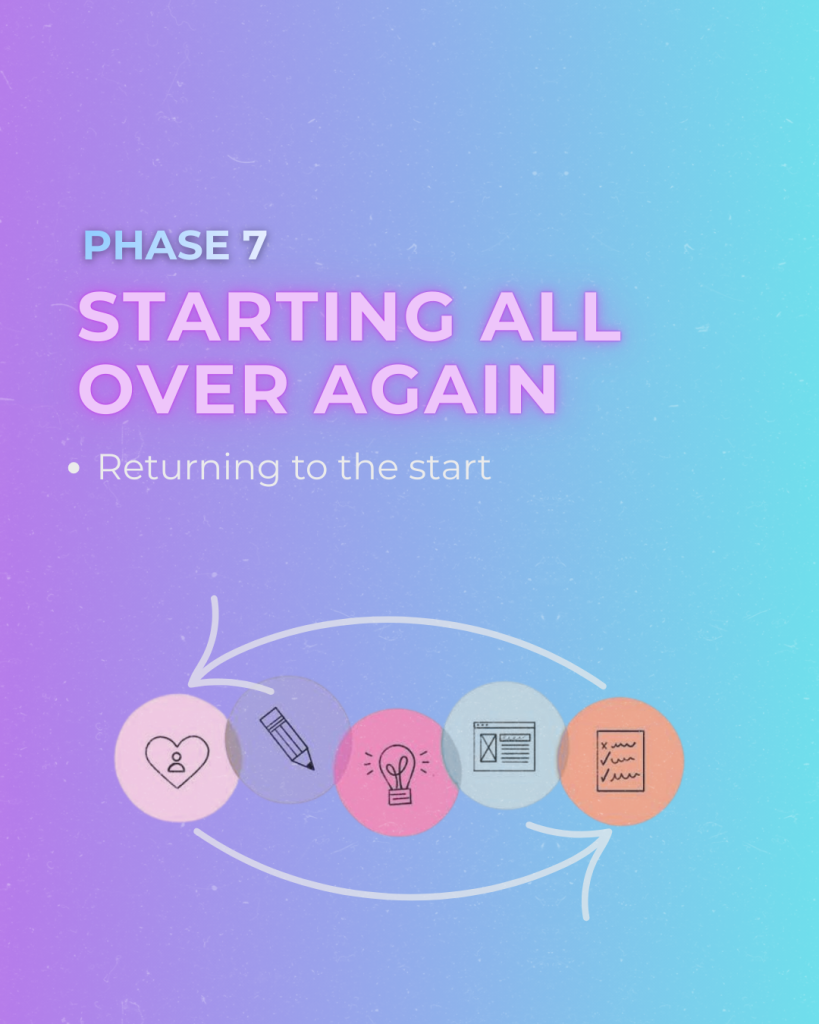
The creative process is not one-directional. It is a network of attempts, returns, corrections, and new insights.
It involves moving forward — but also stepping back.
Questioning. Letting go. Starting again.
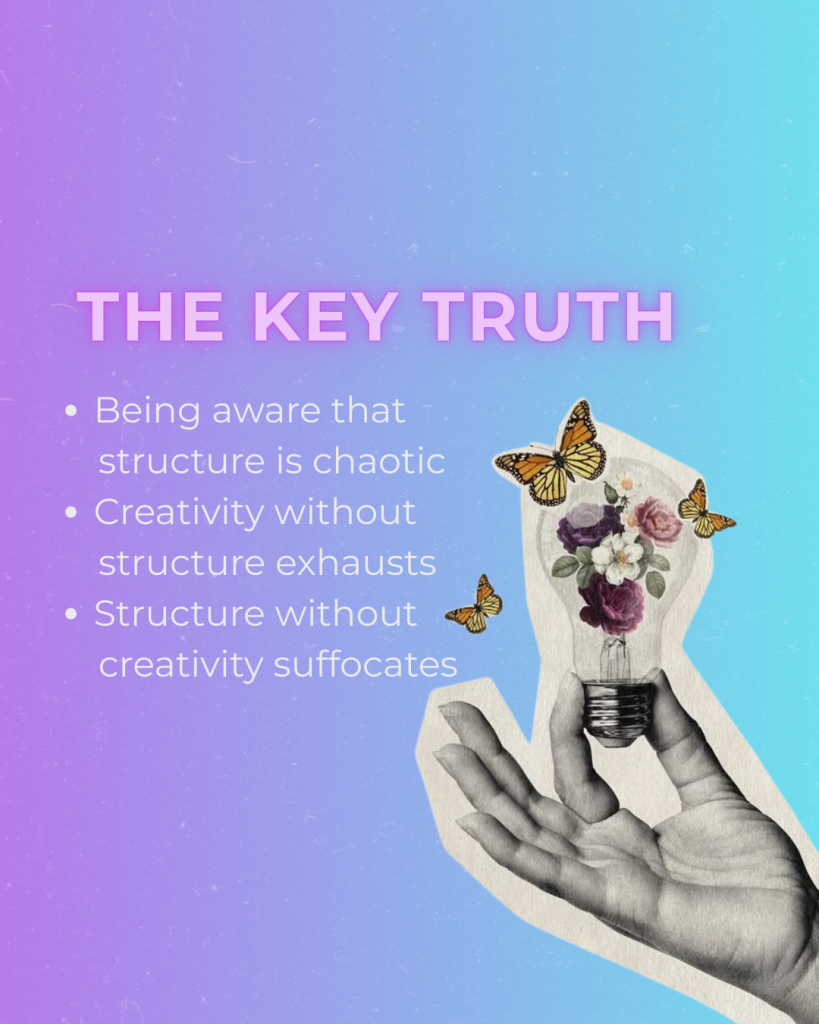
Without structure, creativity becomes exhausting.
Without creativity, structure suffocates.
Yet even together, they do not guarantee success.
What Truly Makes the Difference
The only real “guarantee” in creative work is the ability to endure the mismatch between idea and execution. To remain present in the process, even when there is no clear outcome. To understand that the failure of an idea is not the same as the failure of the creator.
And it is precisely here that surface-level creativity separates from serious creative practice.
